Mold Remediation & Mold Removal in Charlotte, NC
Mold remediation focuses on addressing affected materials and the conditions associated with unwanted mold growth. C&B Home Solutions provides mold remediation and mold removal services for residential and commercial properties in Charlotte, NC and surrounding communities, along with the drywall, flooring, and reconstruction repairs that may follow. To discuss a mold concern, call (704) 942-7202 or request service online.
Understanding Mold Remediation and Removal
Mold remediation addresses affected materials and the moisture conditions associated with unwanted mold growth. Mold removal should not be framed as a guarantee that every mold spore can be permanently eliminated from an environment, since spores are naturally present indoors and outdoors. The focus is on addressing the affected materials and the conditions that supported growth.
Mold growth is closely tied to moisture. A plumbing leak, roof leak, water damage event, or chronic condensation can create the damp conditions that allow mold to develop on or behind building materials. Because of this relationship, moisture conditions are evaluated alongside the affected materials.
Mold can grow on and behind drywall, inside wall cavities, under flooring, and in areas with limited airflow such as crawlspaces where moisture is present. Visible discoloration is not always mold, and not every stain indicates an active growth condition, which is why affected areas are evaluated rather than assumed.
Where materials are removed during remediation, C&B Home Solutions connects the remediation stage to the drywall, flooring, and reconstruction repairs that follow, so the affected area can be returned to a finished condition.
Where mold growth can develop
- Drywall and behind walls
- Insulation within cavities
- Under and behind flooring
- Crawlspace areas where moisture is present
- Areas with chronic condensation
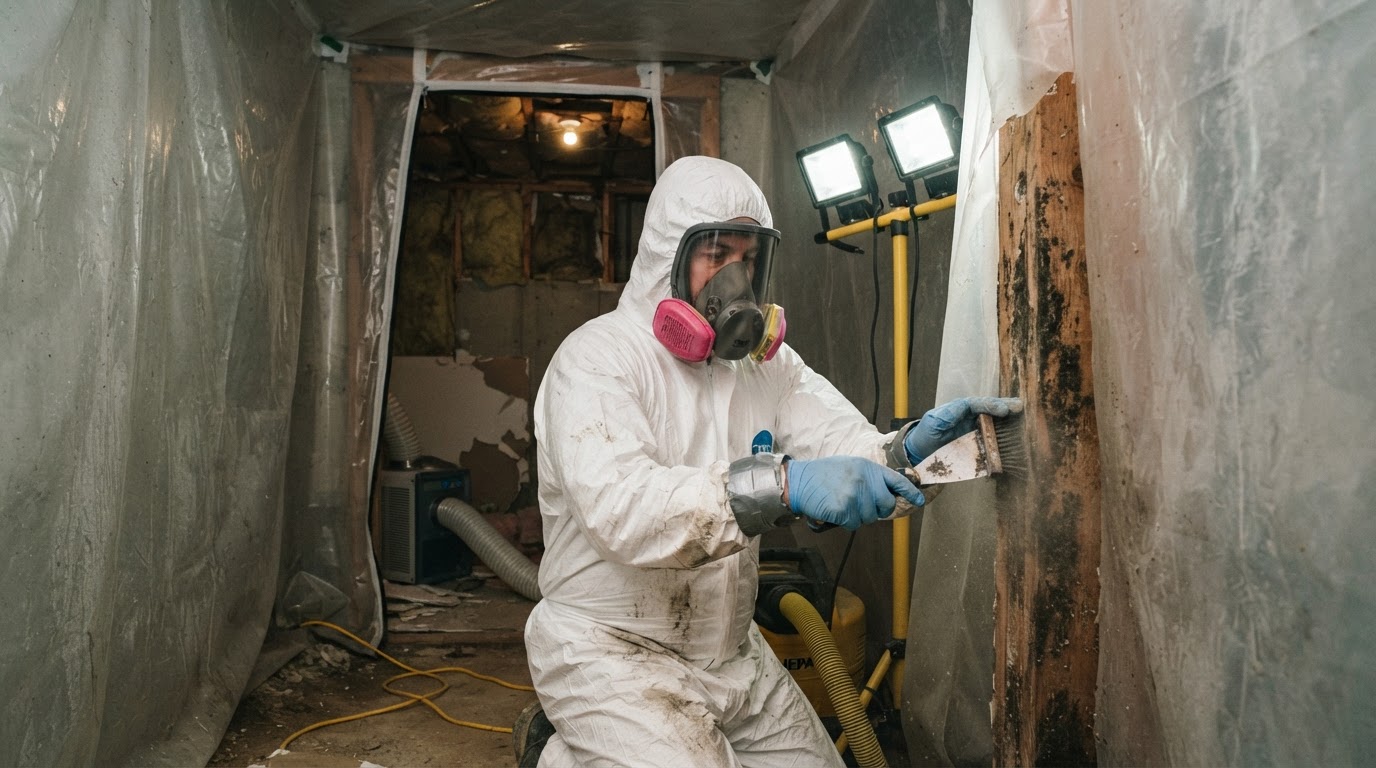
Moisture and mold are evaluated together
Because mold growth relates to excess moisture, addressing the moisture source is considered alongside the affected materials. Remediation that removes visible growth without addressing the underlying damp condition may not resolve the situation long-term.
What Does Mold Remediation Involve?
Mold remediation typically involves evaluating the affected area and moisture conditions, determining the materials involved, establishing appropriate work area controls where applicable, addressing affected materials, cleaning applicable surfaces, and repairing or reconstructing affected areas. The process depends on the extent of growth and the materials involved.
- 1
Evaluate affected area and moisture conditions
Identify where growth is present and the moisture source that may be contributing to it, such as a leak or condensation.
- 2
Determine materials involved
Assess which drywall, flooring, insulation, or framing materials are affected and to what extent.
- 3
Establish work area controls
Where applicable, set up containment to limit the spread of dust and spores during material removal.
- 4
Address affected materials
Remove or treat materials that are affected, following the scope appropriate to the project.
- 5
Clean applicable surfaces and materials
Clean remaining surfaces within the work area as appropriate to the remediation scope.
- 6
Repair or reconstruct affected areas
Replace removed drywall, flooring, or finishes to return the area to a finished condition.
The exact process depends on the cause, scope, and materials involved in each project.
Moisture Sources That Contribute to Mold
Mold growth inside a property usually traces back to a moisture source. Plumbing leaks, roof leaks, water damage that was not fully dried, and chronic condensation from HVAC or plumbing systems can all create the damp conditions that support growth.
When moisture occurs behind drywall or under flooring, growth can develop out of sight until it becomes visible or produces odor. Resolving the moisture source is considered part of addressing the condition, not just the visible growth.
After remediation removes damaged materials, the related C&B services below are frequently needed to rebuild the affected area.
Water Damage Restoration
Many mold conditions begin with a water event; addressing the water damage and drying are part of the solution.
Water Extraction
Where active moisture is present, removal of standing water precedes remediation and repair.
Drywall Replacement
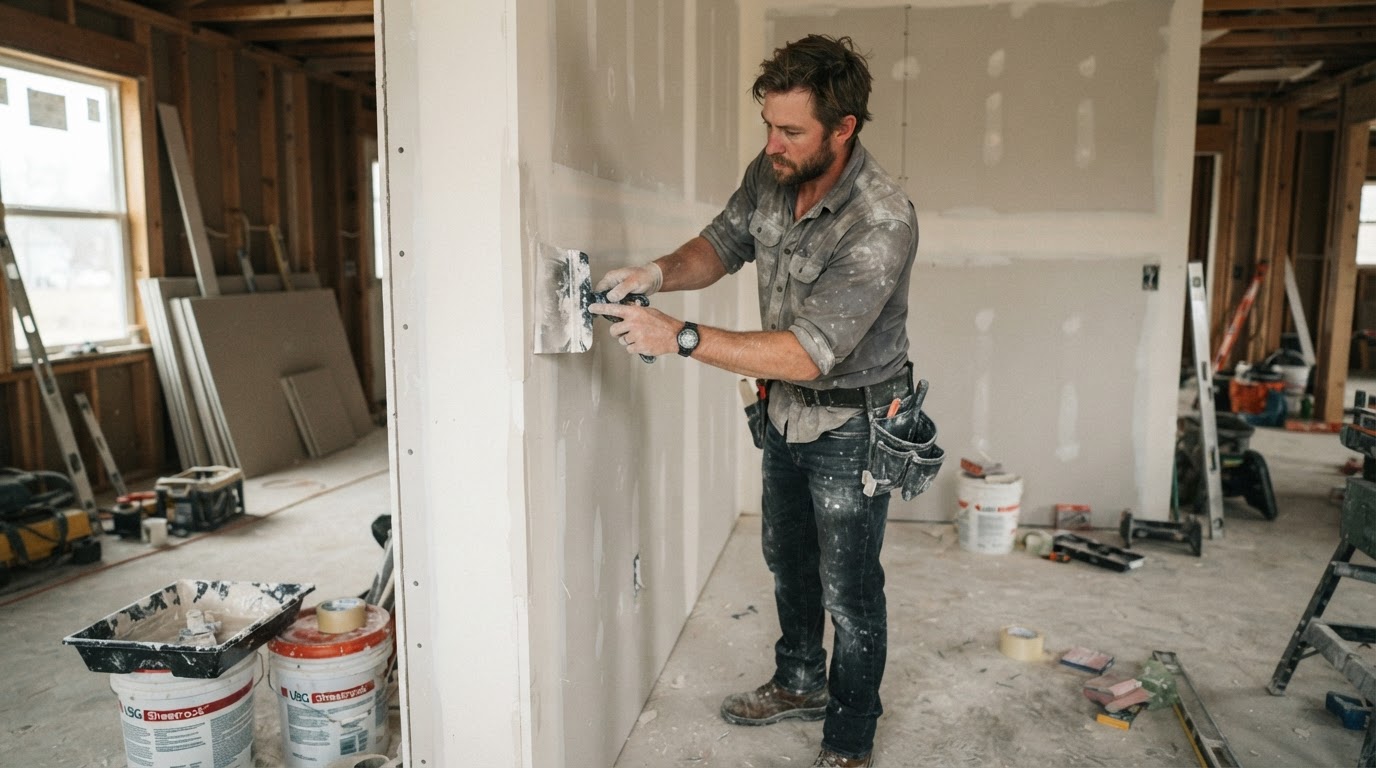
Drywall removed during remediation is replaced and finished to restore the affected walls or ceilings.
Reconstruction
Rebuilding the affected room returns the space to a finished, functional condition after materials are removed.
Roofing Repairs
Where a roof leak is the moisture source, roof repair may be part of resolving the underlying condition.
Mold Remediation in Charlotte and Nearby Communities
C&B Home Solutions provides mold remediation and mold removal for residential and commercial properties in Charlotte and surrounding communities. Charlotte-area property owners with a mold concern can contact C&B to discuss the situation and request service.
Available services can vary depending on the property and the extent of the condition. We serve properties across the Charlotte metro, including the nearby communities below.
Why Work With C&B Home Solutions
- Remediation connected to drywall, flooring, and reconstruction repairs
- Moisture conditions evaluated alongside affected materials
- Residential and commercial property capability
- One point of contact across multiple categories of repair
- Clear communication through each phase of the project
Mold Remediation & Removal FAQs
Request Mold Remediation in Charlotte
If you have a mold concern at your Charlotte-area property, C&B Home Solutions can help with remediation and the repairs that follow. Call (704) 942-7202 or request service online.
Or Request Service Online